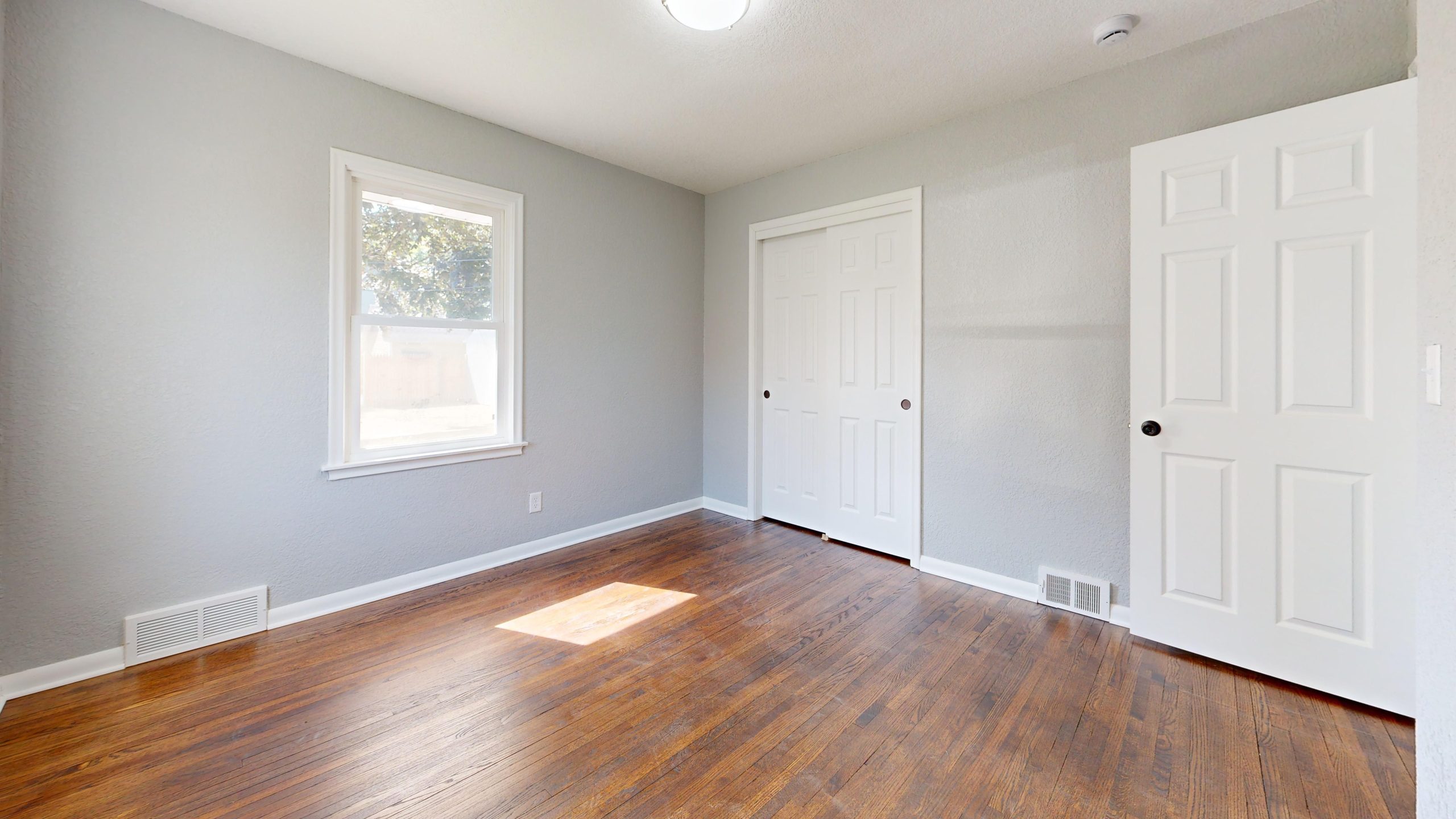
Hardwood Floor Refinishing in Alabama: Costs and What Sanding Finds
Refinishing is the highest-return flooring project in Alabama, and it is concentrated in the older cities. It is also the project most likely to turn up something the termite letter could not see.
Where the floors actually are
Birmingham has 25.9% of its housing predating 1940 against a 1965 median — the oldest stock in the state by a distance. Mobile is next at 13%, then Montgomery at 10.3%. Those are the markets where lifting a corner of carpet in a closet is worth doing before pricing anything else.
In Madison and Auburn, where roughly half the housing has gone up since 2000, refinishing is mostly not a live option — there is no original floor to find. Any contractor suggesting otherwise has not looked.
Sanding is when you find out
Refinishing is the one flooring job that exposes the boards without removing them, and it regularly turns up what a visual inspection could not: soft spots along a wall, a section that has been wet under a radiator or a bathroom, a board that gives under the machine. In the heaviest termite zone in the country, that is a normal finding rather than a catastrophe — but it needs to be in the contract before the sander arrives.
Ask what happens if a board or a section of decking has to be replaced mid-sand: the rate, the delay, and whether matched replacement stock is available. On a floor that is eighty years old, matching is the hard part.
How many times a floor can be sanded
A 3/4 in solid floor has roughly 1/4 in of wood above the tongue — four to six full sandings across its life, enough for a century of ordinary use. Engineered flooring depends on its wear layer: 2 mm takes one careful sanding, 6 mm takes two or three, a thin 0.6 mm veneer takes none. Measure at a floor vent or a doorway threshold before anyone starts.
Screen and recoat, versus a full sand
If the finish is dull and lightly scratched but the wood underneath is not stained or worn through, a screen and recoat abrades the existing finish and lays a new coat over it. It costs a fraction of a full sand, takes a day, and removes no wood at all. It is the right answer far more often than it is offered.
A full sand is for gray or water-stained boards, deep gouges, pet damage that reached the wood, or a change of color — which is why most full sands actually happen.
Humidity and cure time
Alabama summers are long and humid, and that affects the finish rather than the wood. A product that says “recoat in four hours” means at moderate humidity; at 70% indoor RH it is considerably longer, and recoating early traps solvent and leaves a soft finish that scuffs for years. Water-based finishes are the easier choice in a humid week; oil-modified is tougher per coat and wants a longer window between them.
What it costs
Refinishing in Alabama generally runs $3 to $8 per square foot, against $6 to $22 to install a new hardwood floor. Where the existing floor is sound, refinishing is not so much the cheaper option as the obviously correct one — and in the older Birmingham neighborhoods it preserves the material that makes the house worth what it is.
An estimate, not a quote. These are planning ranges for Alabama, not a quote. What you actually pay depends on your rooms, your subfloor and the material you choose.
Can I refinish floors that have been carpeted for decades?
Usually, and they are often in better condition than exposed floors because the carpet protected them. Two things stop it: pet urine that soaked through to the wood, which leaves black staining that will not sand out, and tack strip damage at the perimeter, normally repaired board by board.
What if the sander finds damaged boards?
It is common in older housing here and it is not a disaster — individual boards are replaced and the whole floor is sanded together so the repair disappears. What makes it expensive is discovering it without an agreed rate, so settle that in the quote.
How long before furniture goes back?
Walk on it in a day with a water-based finish; longer with oil-modified. Full cure is different from dry-to-touch — most polyurethanes reach full hardness in two to four weeks, and rugs laid down early can leave a permanent outline.