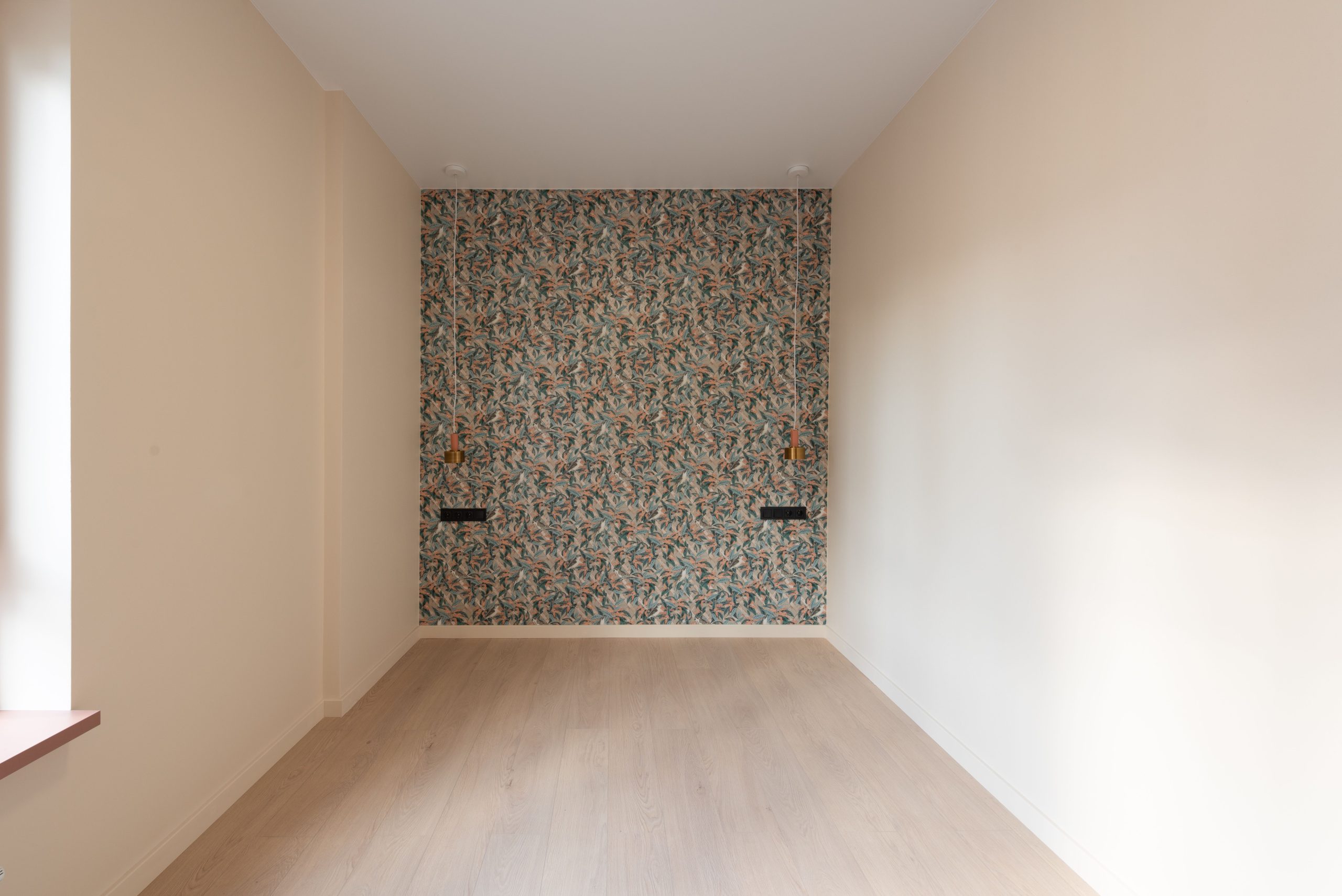
Laminate Flooring in Alabama: Costs, AC Ratings and Water
Laminate is the budget end of the market done properly, and it is genuinely good at what it does. It also has one weakness that decides where it belongs in this state.
What laminate actually is
A high-density fibreboard core, a printed decorative layer, and a melamine wear surface fused on top. The wear layer is extremely hard — laminate resists surface scratching better than most real hardwood — and the core is compressed wood fiber, which is the part that reacts to water.
The Alabama weakness: the core
HDF swells when it takes on water and does not come back. A spill left overnight raises the plank edges permanently. In a flooded room it is a total loss, and unlike carpet it is not obvious that it should come up, so it sometimes stays down over decking that never dried.
That puts laminate firmly in the interior of the state and firmly out of the ground floor of a flood-exposed coastal house. Water-resistant laminates with sealed cores and treated edges have narrowed the gap and are worth the upgrade. They still are not rigid-core vinyl, which is the comparison that matters here.
AC ratings, plainly
- AC1–AC2 — light residential. Not worth buying.
- AC3 — the residential standard, suitable for every room in an ordinary house.
- AC4 — heavy residential and light commercial. The right choice for a hallway, a family entry, a household with large dogs, or a Tuscaloosa or Auburn rental that turns over every year.
- AC5 — commercial. Overkill in a house, and it usually looks it.
Thickness is the number people compare and it predicts sound and feel rather than durability. An 8 mm AC4 outperforms a 12 mm AC3 underfoot; the thicker board simply sounds better.
Underlayment is not optional
Laminate floats, and without a pad it is loud — the hollow click that gives cheap laminate its reputation. Over a slab, a combination underlayment with an integrated vapor retarder is the sensible minimum.
What it costs
Installed laminate in Alabama generally runs $3 to $9 per square foot. That overlaps the bottom of the luxury vinyl plank range, which is the single most useful fact on this page: at the low end the two categories cost about the same, and vinyl handles water incomparably better. Laminate earns its place in the middle of its range, where the surface realism and scratch resistance beat vinyl at the same money.
An estimate, not a quote. These are planning ranges for Alabama, not a quote. What you actually pay depends on your rooms, your subfloor and the material you choose.
Where laminate is a false economy
- Any ground-floor room in Mobile or Baldwin that has flooded.
- Any room with a plumbing fixture.
- A house being sold at the top of its market, where laminate reads as the cheapest available choice whether or not it is.
- Below AC3 in anything.
Can laminate be dried out after water?
No. The core is wood fiber; once it swells the plank is finished. Take it up, dry the decking underneath properly, and replace with something suited to a room that takes water.
Can laminate be refinished?
No. The decorative layer is a photograph under melamine — there is nothing to sand. Damaged planks can be replaced individually if the floor floats and you kept spares, which is the argument for buying an extra box.
Is laminate a good rental floor?
At AC4 it is a reasonable one, and it competes with mid-grade vinyl on cost. The deciding question is whether the property is somewhere a burst supply line or a storm is a realistic event, because that is where the two categories stop being comparable.