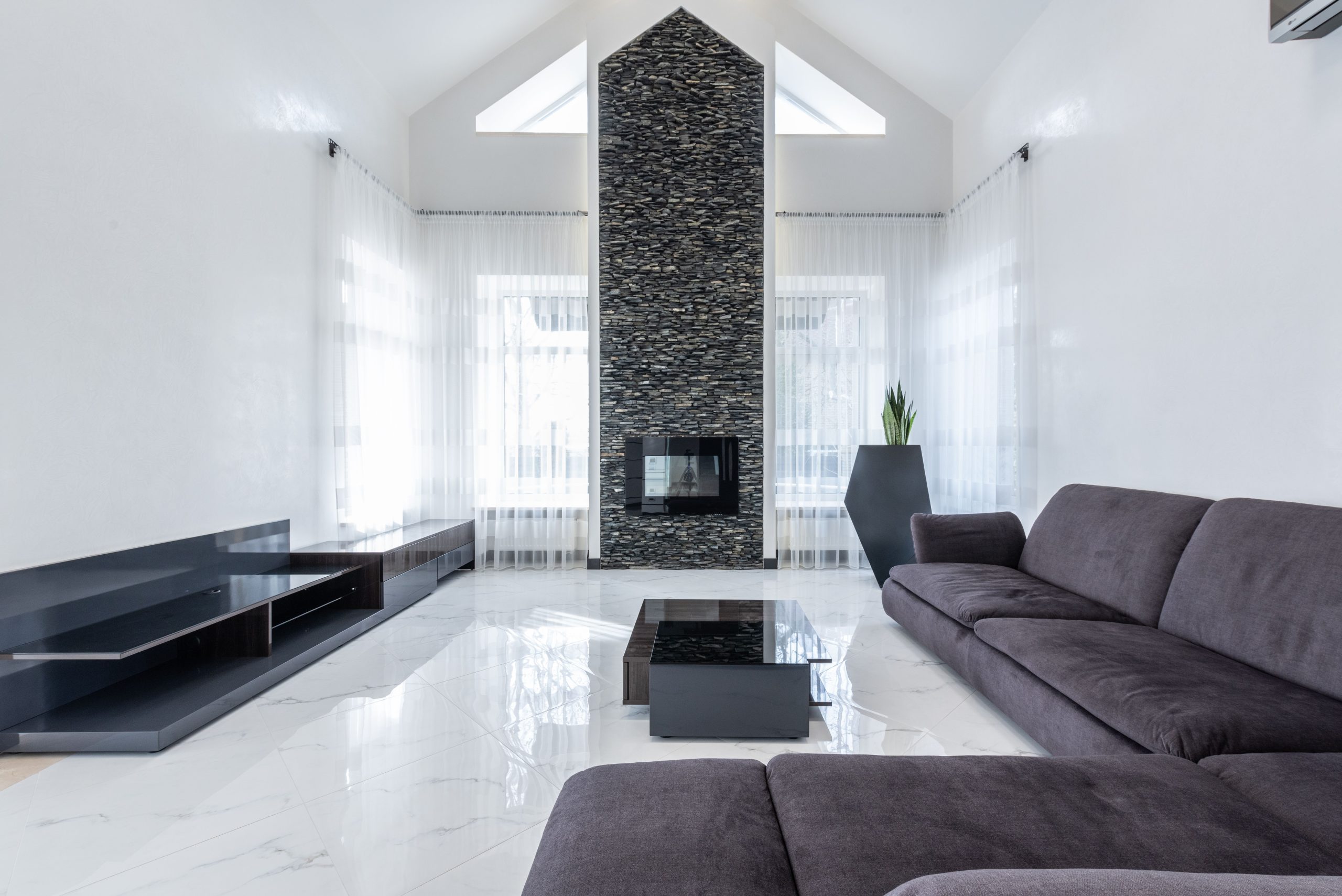
Natural Stone Flooring in Alabama: Slate, Travertine and Marble
Stone is the floor that makes a room, and it asks more of the structure under it than anything else on this list — which in Alabama means asking what that structure is made of and whether anything has been eating it.
Structure first, stone second
Natural stone is heavier and more brittle than porcelain, and the deflection limit is L/720 — twice as strict as ceramic. On a raised wood-framed floor, which is what most older Alabama housing has, that is a real constraint rather than a formality. Long spans and older joists mean framing work before anything is ordered.
It is also the material that makes a compromised joist show up fastest. A stone floor over a floor that moves will crack, and a cracked slab of marble is a replacement rather than a repair. If there is any history of insect or moisture damage under the room, that gets resolved before stone is priced, not after.
Which stones behave here
- Slate — dense, naturally textured, hides everything. The most forgiving stone for an Alabama entry, where red clay arrives daily.
- Granite — hardest of the common choices, nearly impervious, and it reads “kitchen counter” to many people when used underfoot.
- Travertine and limestone — softer carbonate stones, warm and beautiful, and they etch on contact with anything acidic. They want a household that will not spill and shrug.
- Marble — the same chemistry with more drama. Polished marble inside a front door is a bad idea anywhere it rains like this; honed has considerably more grip and hides etching far better.
Sealing, humidity and red clay
An impregnating sealer sits inside the pores rather than on the surface, so it does not change the look and does not peel. Every porous stone needs it — reseal a busy floor annually and a quiet one every two or three years. The test is simple: a drop of water should bead rather than darken the surface within a minute.
Alabama adds two specifics. Red clay stains porous stone quickly, which moves the resealing schedule toward the shorter end for anything near a door. And in a humid climate, stone in a room that stays damp will grow the same organic film that grows on a shaded patio — a cleaning problem rather than a stone problem, but a recurring one.
Honed, polished, tumbled
Finish changes practical performance more than stone type does. Polished is smooth and slick and shows every etch. Honed is matte, grippier and forgiving. Tumbled and brushed finishes hide wear and trap a little more dirt. For an Alabama floor, honed is the sensible default and polished is a decision to make deliberately.
What it costs
Installed natural stone in Alabama generally starts around $12 per square foot for a straightforward slate and rises well beyond $30 for large-format marble with pattern work. The structural preparation is the line that varies most, and on an older house it is frequently larger than expected.
An estimate, not a quote. These are planning ranges for Alabama, not a quote. What you actually pay depends on your rooms, your subfloor and the material you choose.
Does stone need a stiffer floor than tile?
Yes. L/720 for stone against L/360 for ceramic. On a wood-framed floor that usually means blocking or sistering before the stone goes down, and it should be priced as part of the job rather than discovered halfway through.
Will stone survive a flood?
The stone itself generally will. As with tile, the question is whether the setting bed and the structure underneath dry properly — and stone is heavy enough that taking it up to dry what is below is a serious job.
How often does stone need resealing?
Annually in an entry or kitchen, every two to three years in a quiet room, and sooner than that anywhere red clay is tracked in. Test with a drop of water: if it soaks in and darkens the stone, it is due.